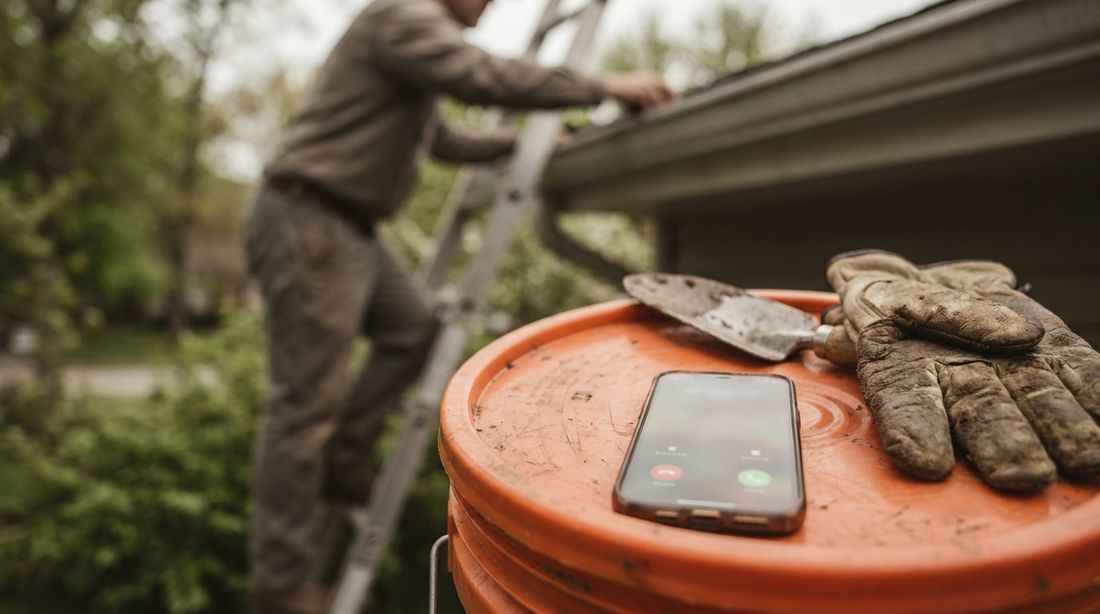
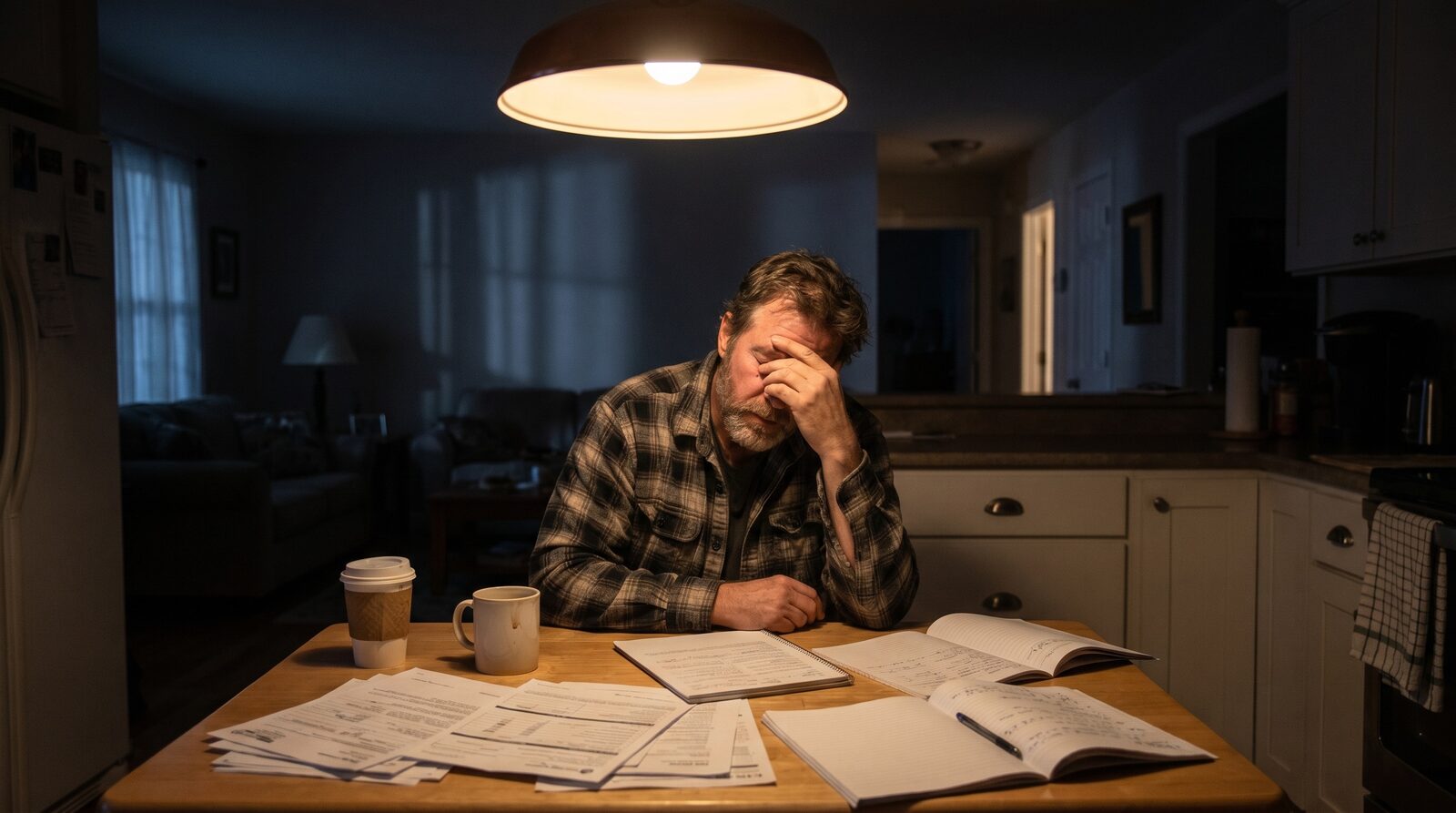
You're in a crawlspace with a wrench in your hand when the phone buzzes in your back pocket. By the time you back out, wipe off, and check it, the call is gone. No voicemail. For an HVAC, plumbing, electrical, or roofing shop, that missed call is rarely a message you'll return later. It's a homeowner who already moved on to the next name. Missed call text-back is the simplest way to stop that lead from walking, and this is what it is, whether it works, and how to set it up so it does.
It's not a magic fix, and anyone who sells it that way is overselling. But used right, it closes one of the widest revenue leaks in the trades: the call you couldn't get to.
What missed call text-back actually is
Missed call text-back is an automation that texts a caller the instant their call goes unanswered. The trigger is the missed call itself. Your phone rings, nobody picks up, and within seconds the system sends a text from your business number: a short note that says you saw the call and asks what they need. The homeowner is still holding their phone. Instead of a dead end, they get a live thread.
That's the whole mechanic. No app for the customer to download, no portal to log into. They called, you couldn't answer, and a text landed before they had a chance to dial anyone else. The job of that one message is narrow but important: keep the lead with you for the next few minutes so a person can take over.
Why a missed call is a bigger leak than it looks
A missed call costs more than one phone call because the caller almost never waits around. Most homeowners who reach voicemail hang up and dial the next contractor rather than leave a message. That single hang-up is where the response gap opens, the window between a homeowner reaching out and someone answering, and it's where jobs quietly disappear.
The stakes are set by one number. About 78% of customers hire the company that responds to them first, ahead of price and ahead of reviews. The research, a Lead Connect buyer survey popularized by Vendasta, means a missed call isn't a neutral event. It's a head start handed to whoever picks up next.
The trades feel this harder than most businesses. You can't answer the phone from an attic, a panel, or the top of a roof, so calls arrive exactly when your hands are full. The leak doesn't show up on any report. It shows up as a revenue number that's a little lower than it should be, with no obvious cause. For the full picture of what slow response costs, the speed-to-lead statistics for home services lays out every study and source.
Does missed call text-back actually work?
It works, with two conditions: the text has to fire within seconds, and a human has to answer the reply fast. Miss either one and you've automated a polite way to lose the job slower.
Here's why the text itself is effective. People read texts. A text gets opened and read within minutes, while a voicemail often sits unheard for hours, if the caller leaves one at all, which most don't. So an instant text reaches the homeowner in the short window where they're still deciding who to hire. It buys you back the lead the missed call just cost you.
The reason the timing matters so much comes from the clock on lead response. The Lead Response Management Study found that responding within five minutes makes you about 21 times more likely to qualify a lead than waiting 30 minutes. A text-back that goes out in ten seconds puts you at the front of that curve automatically. A text-back that goes out twenty minutes later is just a slow apology.
What a good missed call text-back looks like
A good text-back message is short, names your business, and asks one question. The homeowner doesn't know who just texted them, so the message has to do three jobs in two sentences: identify you, acknowledge the miss, and open a reply.
A plumbing example that works: "Hi, this is Mike's Plumbing. Sorry we missed your call, we're on a job. What's going on, and what's the address?" That names the business, explains the miss without sounding like a robot, and asks for the two things you need to triage, the problem and the location. The homeowner can answer with one thumb.
A few rules keep it from backfiring:
- Send it in seconds, not minutes. The value is entirely in the speed. A text that arrives after the homeowner has already booked someone else is worse than nothing.
- Sound like a person. Skip "Your call is important to us." Write it the way you'd talk on the jobsite.
- Ask one question. One clear question gets a reply. A wall of options gets ignored.
- Have someone ready to answer back. The text starts a conversation. If nobody picks it up within a few minutes, you've recreated the original problem in a different inbox.
Where text-back stops and a person has to take over
Missed call text-back opens the door, but it doesn't book the job. A homeowner with water spreading across the floor wants to talk to someone who can help today, not trade texts with an auto-responder. The automation's only job is to keep them from leaving. The booking still depends on a fast, capable human on the other end.
This is where most setups quietly fail. An owner turns on text-back, feels covered, and the texts pile up unread because the same person who couldn't answer the phone also can't answer the texts from inside the crawlspace. The leak didn't close. It moved. Whoever handles the reply has to qualify the problem, answer questions, and get the appointment on the calendar while the homeowner is still warm.
That's the honest limit of automation in the trades. Software can guarantee a lead gets a fast first touch. It can't carry a nervous homeowner through to a booked appointment. That part still takes an experienced person who knows the trade and knows how to turn a question into a scheduled job. The play that wins isn't text-back alone. It's text-back plus someone reliable on the reply, which is the heart of the broader call-capture playbook.
How to tell if your shop needs it
Two numbers tell you whether missed call text-back would move your revenue, and most owners can't say either off the top of their head. The first is your live answer rate: of every inbound call this week, what share reached a person on the first try? The second is what happens to the rest: when a call slips through, how long until someone texts or calls back, minutes or never?
If a meaningful share of your calls go unanswered and the misses get little to no follow-up, text-back is one of the highest-return fixes you can make, because it's catching jobs you're already paying marketing dollars to generate and then losing at the door. If you answer nearly everything live, your leak is somewhere else, and chasing this one won't help much.
The fastest way to find your two numbers is the Growth Score. It measures your answer rate, response speed, and booking conversion, then shows where you're losing the speed game and what it's costing you each month. It takes about three minutes. For the tactics that move those numbers, browse the rest of the Lead Response Speed pillar, starting with the 78% rule behind why first response wins the job.

Jeffrey R. Rose is a systems operator and growth strategist with 20+ years building and scaling businesses across technology, consumer products, and food service. A software engineer and entrepreneur, he has founded, grown, and exited multiple companies, including a global health and supplement brand. At Kinjo Pro he leads systems architecture and AI implementation.
Frequently Asked Questions
Missed call text-back is an automation that sends an instant text message to anyone whose call you miss. The moment a call goes unanswered, the caller gets a text acknowledging it and inviting them to reply, so the lead stays with you instead of dialing the next contractor.
It works when the text goes out within seconds and a real person follows up fast. Texts get read in minutes while most callers never leave a voicemail, so an instant text holds the lead. But the automation only opens the door. A human still has to answer the reply and book the job.
Keep it short, name your business, and ask one question. For example: 'Hi, this is Mike's Plumbing. Sorry we missed your call. What's going on and what's the address?' Naming the business and asking for the problem turns a dead missed call into a live conversation.
No. A text keeps the lead from leaving, but a homeowner with an emergency still wants to talk to a person. The strongest setup answers live whenever possible, uses text-back as the safety net for the calls you can't reach, and gets a human on the reply quickly.