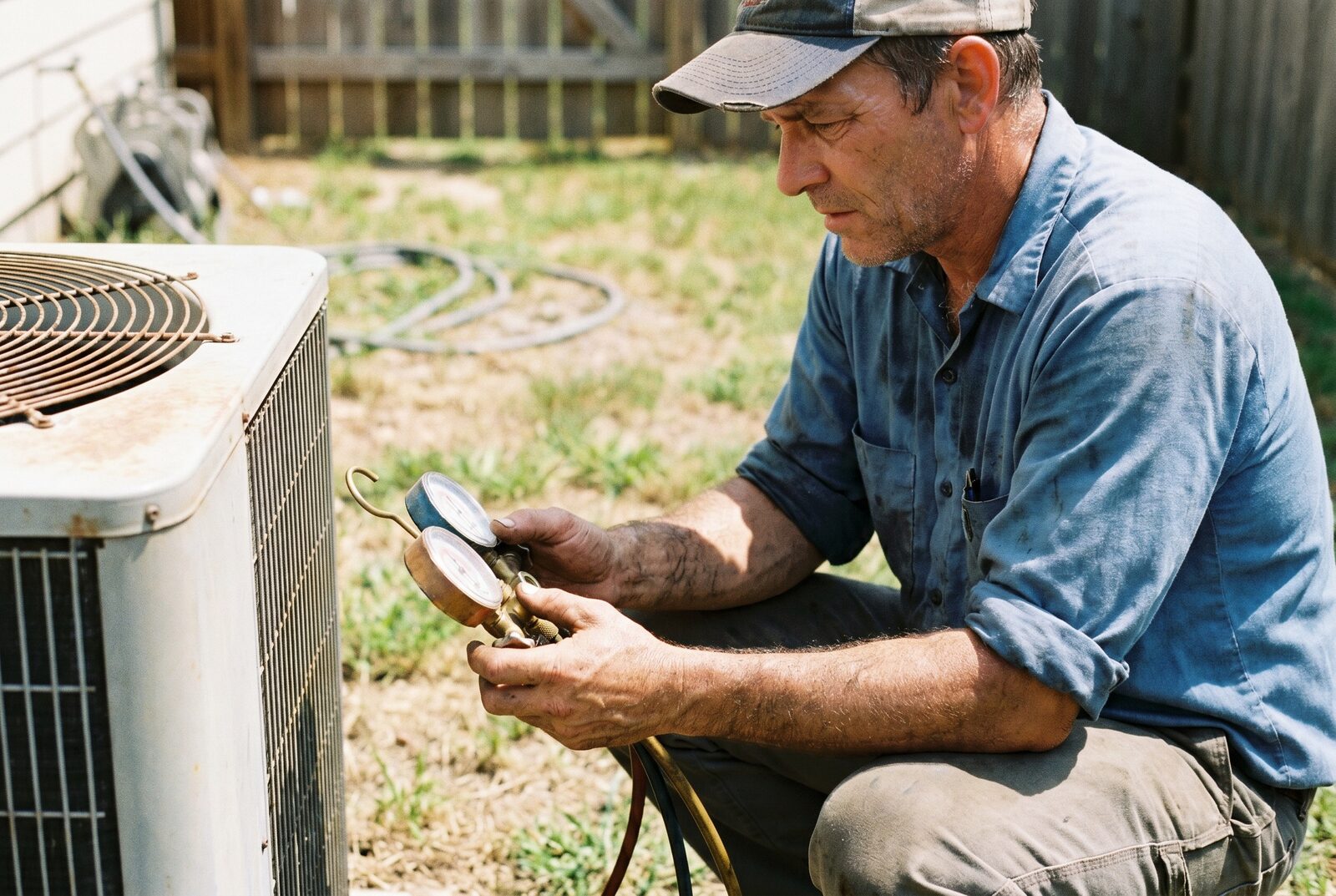
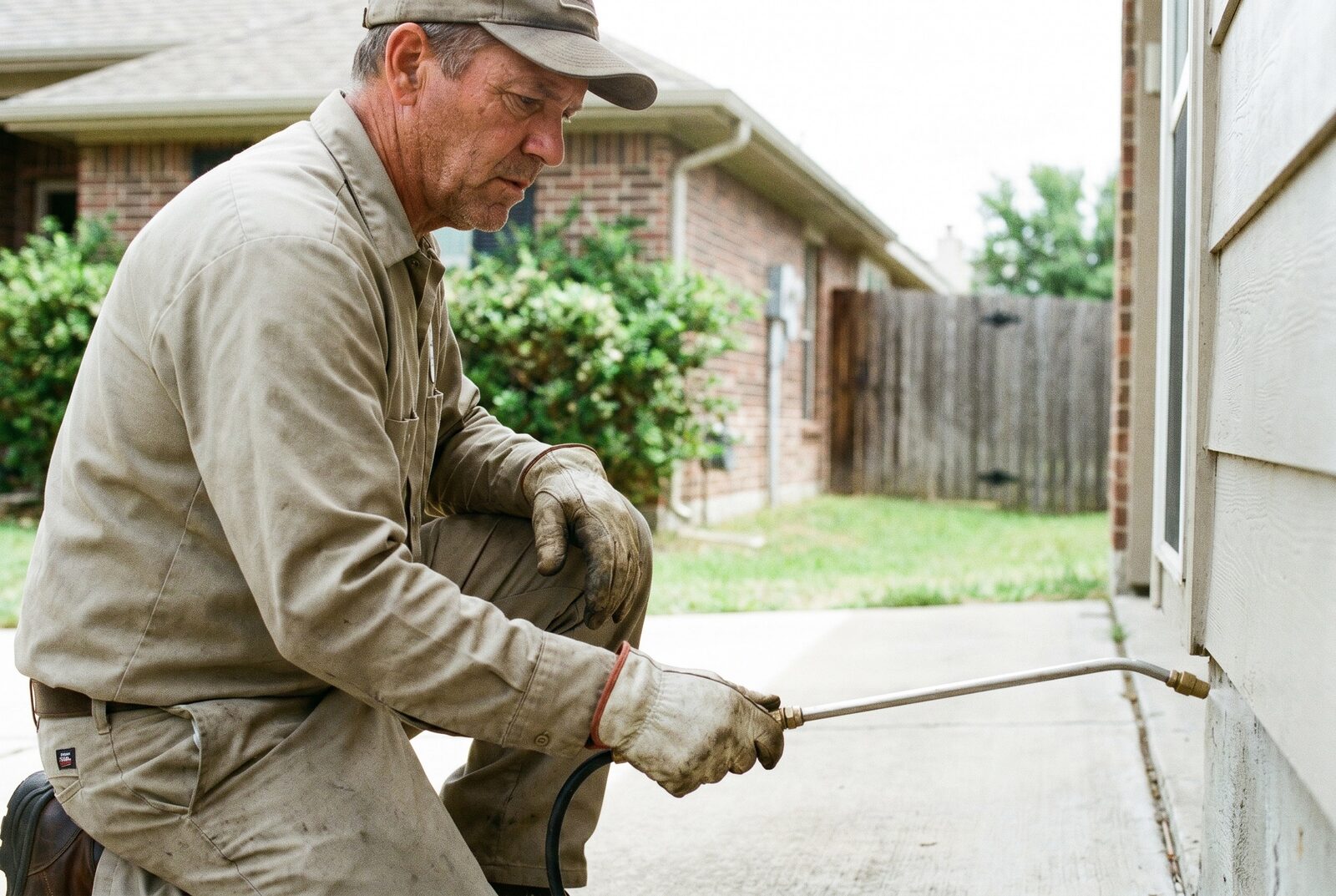
Here is the uncomfortable math of running a home-services business: most of the leads you lose, you never see. They do not show up in your CRM as a lost deal. They show up as nothing: a call that rang four times and went to voicemail while you were under a sink or up on a roof.
Studies of inbound home-services calls consistently find that 40–60% of leads are gone before a business calls them back. Not gone as in undecided. Gone as in booked with someone else. To understand why, follow a single call from the homeowner's side.
The first 60 seconds decide everything
A homeowner's AC quits on a 98-degree afternoon. They are uncomfortable, a little panicked, and they want it handled today. They do not research. They open Google, tap the first three numbers, and start dialing. You are one of those numbers.
The homeowner is not loyal to you yet. They are loyal to whoever solves the problem first. The clock that matters is not "today" or "this afternoon." It is the 60 seconds it takes them to dial the next contractor on the list.
Why voicemail doesn't save you
The common assumption is that a serious buyer will leave a message. They will not. Roughly 80% of callers never leave a voicemail, especially on a first call to a business they have no relationship with. Silence is not "I'll wait." Silence is "next."
So the voicemail you check at 5pm is not a list of patient prospects. It is a graveyard of the few who bothered, sitting on top of a much larger pile of people who hung up and hired your competitor an hour ago.

The chain reaction of one missed call
One unanswered call rarely costs you one job. It compounds:
The job walks. The homeowner books the contractor who picked up. That ticket, often $300 to several thousand dollars, is gone.
The follow-on work walks with it. The maintenance plan, the repeat call next season, the referral to a neighbor, all of it now belongs to the other company.
Your ad spend gets more expensive. If you are paying for leads, every missed call raises your real cost per booked job. You paid to make the phone ring and then let the lead leak out the bottom.
What "answered" actually has to mean
Answering is not enough on its own. A rushed "can I call you back?" from a jobsite is barely better than voicemail. To win the job, that first interaction has to do three things, fast: greet the caller like a real business, ask the few questions that qualify the job, and lock in a time on the calendar before they hang up.
That is a high bar for a one-person operation holding a wrench. It is not a high bar for a system designed to do exactly that, every time, day or night.
If you want to see how much of this is happening in your own business, the fastest way is to measure it. The Growth Score runs a quick diagnostic on your answer rate, response speed, and booking conversion, and shows you where the leak is.

Jaymo Barnard is a brand strategist and growth architect with 25+ years building scalable marketing systems across wellness, media, consumer products, and education. As founder and CEO of Mandala Growth Partners, he has led initiatives behind major acquisitions, national brand launches, and multi-million-dollar lead-generation systems. At Kinjo Pro he leads brand strategy and growth architecture.
Frequently Asked Questions
Studies of inbound home-services calls commonly find 40–60% of leads are lost before the business calls back, largely because callers won't wait or leave a voicemail. The exact number depends on your call volume and how fast you respond.
No. Roughly 80% of people calling a service business for the first time will not leave a voicemail. They hang up and call the next company, so missed calls rarely turn into callbacks.
For most contractors it's a response problem. The phone is already ringing. The leads exist. The money is lost in the gap between the call arriving and someone answering fast enough to book it.