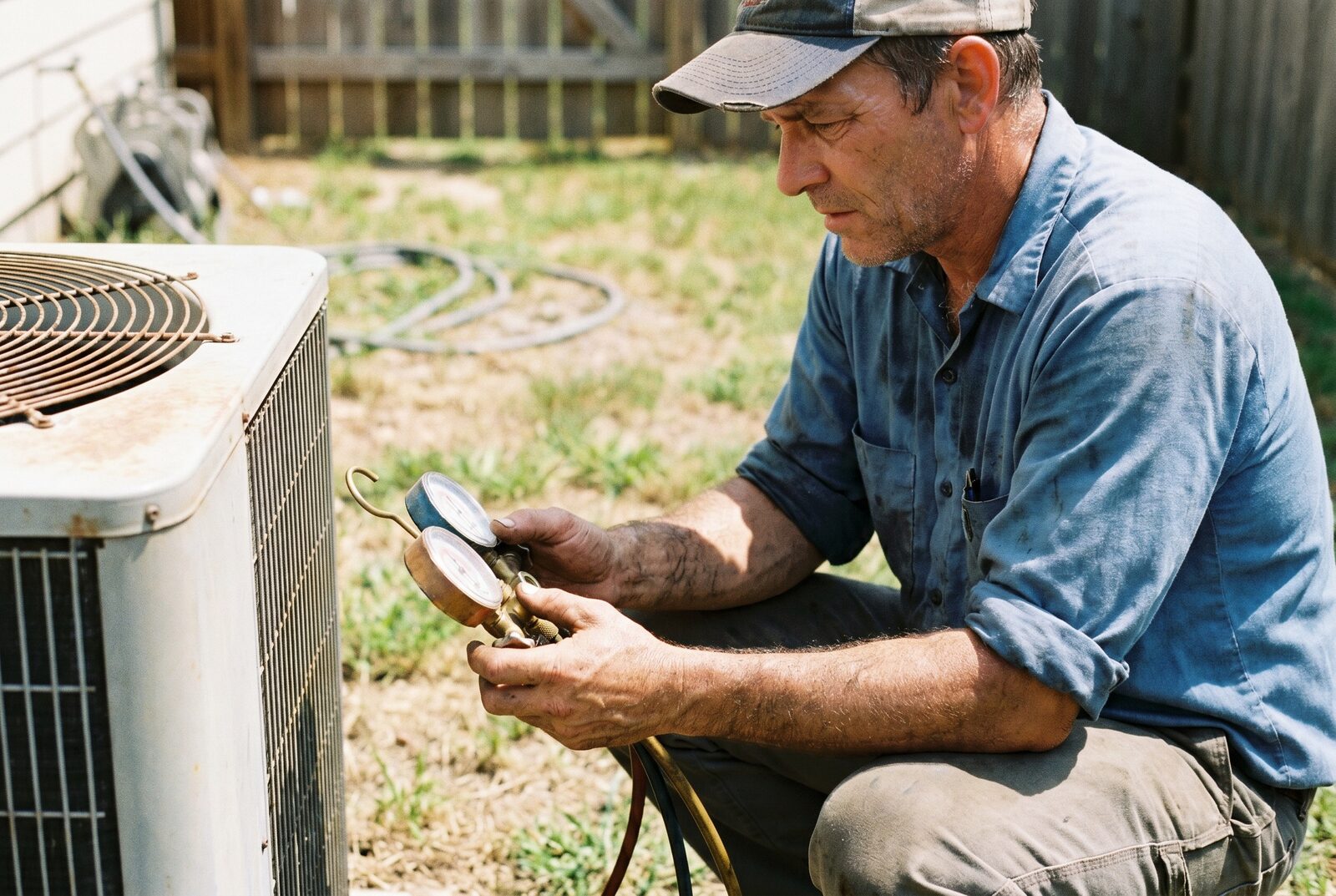
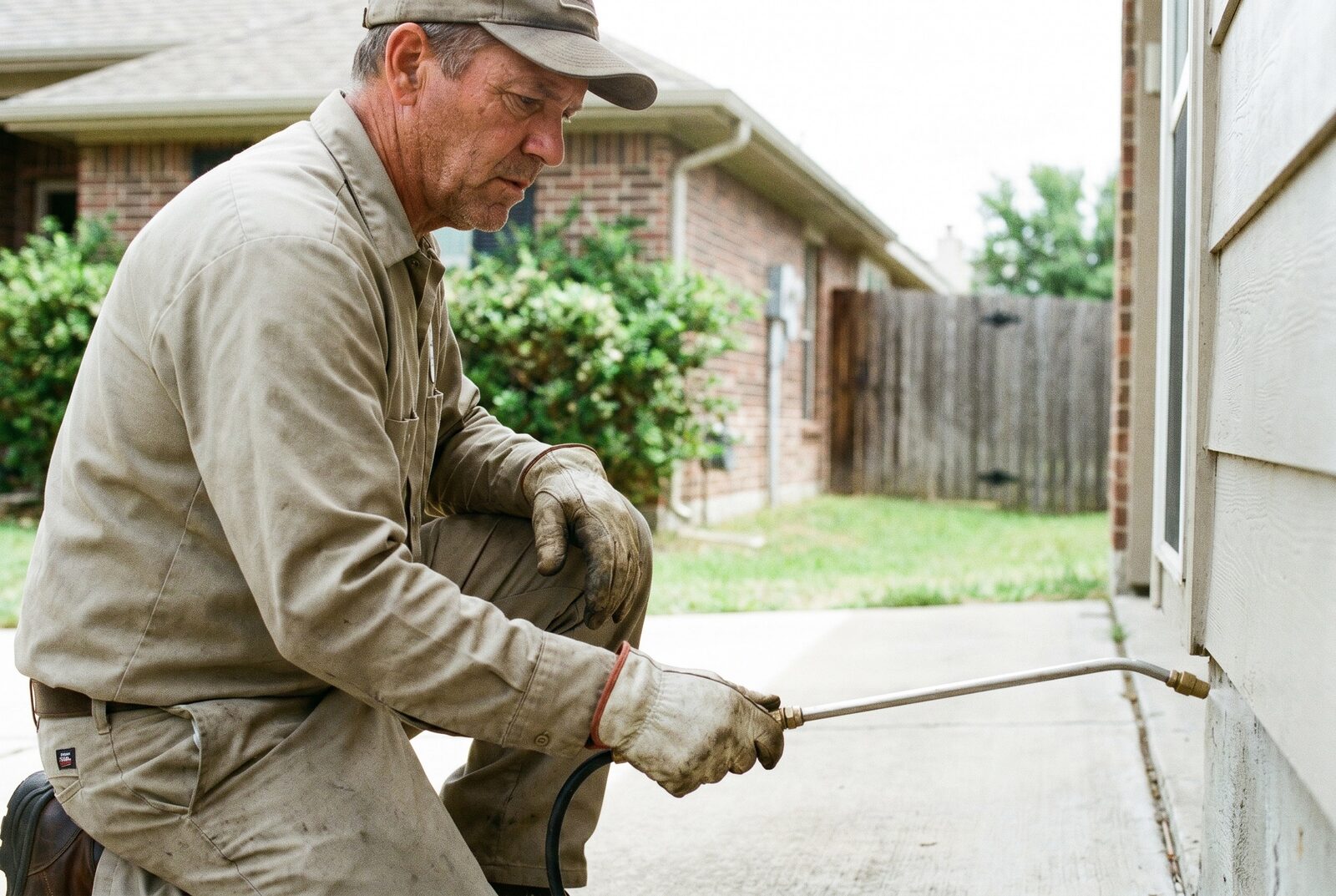
There is one statistic every contractor should tattoo on the back of their hand: roughly 78% of home-services jobs go to the company that responds first. Not the cheapest. Not the one with the most reviews. The fastest. In a trade where everyone thinks they're competing on price or quality, the real competition is speed, and most owners don't even know they're losing it.
This is the playbook for winning that game.
Rule 1: Measure your response time honestly
Most owners have no idea what their real response time is. They remember the calls they answered and forget the ones they didn't. Start by tracking two numbers: what percent of inbound calls you actually answer live, and how long missed calls sit before anyone responds. Those two numbers explain most of your booked-job rate.
Widely cited lead-response research found that contacting a lead within the first five minutes makes you many times more likely to win it than waiting even 30 minutes. The curve is steep. Minutes matter; hours are fatal.
Rule 2: Answer, don't just receive
Picking up is the floor, not the goal. A distracted "let me call you back" loses to a competitor who books the appointment on the first call. Every first contact should accomplish the same three things: greet the caller professionally, qualify the job, and put a time on the calendar. If a call ends with a promise to follow up instead of a booked appointment, you've handed the speed advantage back to the next contractor.

Rule 3: Recover the calls you miss, in seconds
You will miss calls. The question is what happens next. An immediate automated text (within seconds, not minutes) keeps you in the race: "Sorry we missed you. What can we help with?" Because most callers won't leave a voicemail, that text is often the only thing standing between you and a lead who's already dialing someone else.
Rule 4: Take yourself out of the bottleneck
Here is the part most owners resist: you are usually the reason response time is slow. Not because you're lazy, but because you're doing the actual work. A business where every lead waits on the owner's attention has a hard ceiling. The shops that win the speed game stop relying on a person to be fast and instead build a system that's always fast, whether the owner is on a roof, asleep, or on vacation.
That is the shift: from "I need to answer faster" to "answering should not depend on me at all."
Rule 5: Keep score
What gets measured improves. Track answer rate, response time, and booking conversion every month. When those numbers go up, booked jobs go up, reliably, because you're winning more of the leads you were already paying to generate.
If you don't know your current numbers, start there. The Growth Score measures your answer rate, response speed, and booking conversion and shows you exactly where you're losing the speed game, and what it's costing you.

Jaymo Barnard is a brand strategist and growth architect with 25+ years building scalable marketing systems across wellness, media, consumer products, and education. As founder and CEO of Mandala Growth Partners, he has led initiatives behind major acquisitions, national brand launches, and multi-million-dollar lead-generation systems. At Kinjo Pro he leads brand strategy and growth architecture.
Frequently Asked Questions
In home services, yes. Roughly 78% of jobs go to the company that responds first, ahead of price or reviews. Homeowners with an urgent problem book whoever answers and can help soonest.
As fast as possible, ideally within five minutes. Widely cited research shows the odds of winning a lead drop sharply after the first few minutes, so minutes matter and hours usually mean the lead is gone.
You build a system instead of relying on willpower: instant answering, automated missed-call text-back, and booking tied to your calendar. That keeps response time fast 24/7 without making you the bottleneck.