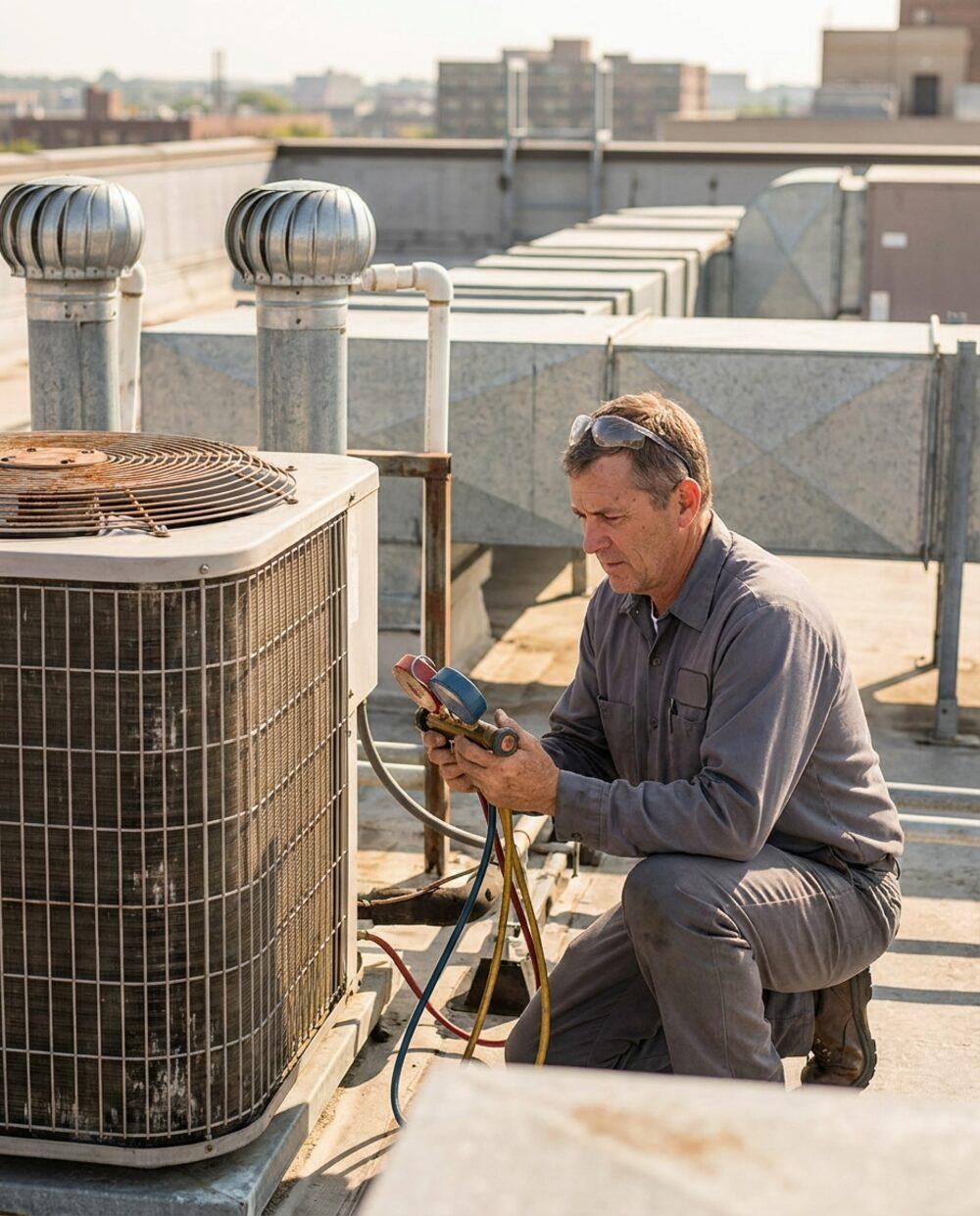
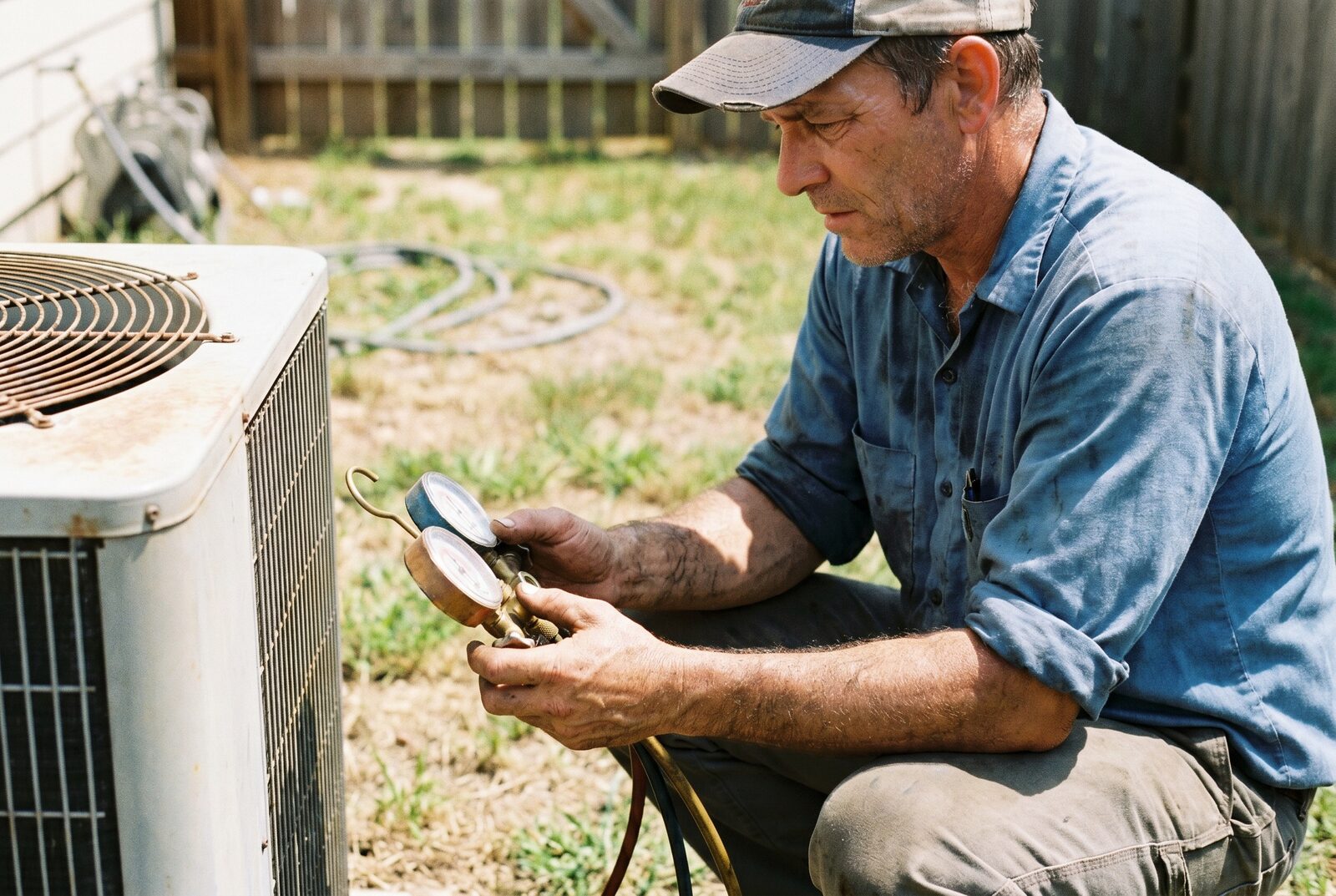
Plumbing is an emergency business, and emergencies do not respect a 9-to-5. A pipe bursts at 1am. A main backs up on Sunday morning. A water heater floods a garage on a holiday weekend. These are the highest-value, highest-urgency calls you get, and they arrive precisely when no one is in the office.
The plumber who answers that 1am call gets the job, often at premium emergency rates. The plumbers whose phones went to voicemail get nothing. After-hours coverage is not a nicety in this trade. It is where a lot of the margin lives.
The real cost of an unanswered emergency
An after-hours emergency caller is the definition of a motivated buyer. Their house is flooding. They are not comparison shopping. They are dialing until a human (or something that sounds like one) says "we can help, here's what to do right now." If that is not you, it is the next plumber on the list.
Why the usual after-hours options fall short
Personal cell forwarding. Now you never get a night off, and you still miss calls when you're asleep or on another job. Burnout is not a coverage strategy.
Generic answering services. They take a message and read from a script. They don't know plumbing, can't triage a real emergency, and rarely book anything, so you still wake up to a list of callbacks, half of which already hired someone else.
The strategy: always-on capture with real triage
The goal is coverage that runs 24/7, sounds like your company, and actually does something useful with an emergency call instead of just taking a name. A well-built system handles the night shift like this:
Answers instantly, at any hour: no "our office is closed."
Separates true emergencies from next-week jobs: "water actively flooding" routes differently than "dripping faucet."
Captures the address and the problem so a real emergency can reach you with everything you need to decide whether to roll a truck tonight.
Books the non-emergencies straight onto the schedule so they're handled in the morning instead of lost.
Protecting your nights while catching the work
Done right, after-hours automation does two jobs at once: it captures the premium emergency work you used to miss, and it filters out the non-urgent calls that don't need you at 3am. You get the revenue without giving up every night to the phone, which is the entire point of building a business instead of buying yourself a job.
Curious how many after-hours calls your shop is currently losing? The Growth Score looks at your coverage and response speed and puts a number on it.

Jeffrey R. Rose is a systems operator and growth strategist with 20+ years building and scaling businesses across technology, consumer products, and food service. A software engineer and entrepreneur, he has founded, grown, and exited multiple companies, including a global health and supplement brand. At Kinjo Pro he leads systems architecture and AI implementation.
Frequently Asked Questions
The options are forwarding to a personal cell (which burns you out and still misses calls), a generic answering service (which can't triage plumbing), or an automated system that answers 24/7, triages urgency, and books or routes the call. The last captures the most premium emergency work.
Yes. They're often the highest-value, highest-urgency jobs you get, frequently at premium emergency rates. The plumber who answers wins the job; the ones who go to voicemail get nothing.
No. A well-configured system triages urgency, so only genuine emergencies reach you. Non-urgent calls get booked onto the next day's schedule automatically, protecting your nights while still capturing the work.